
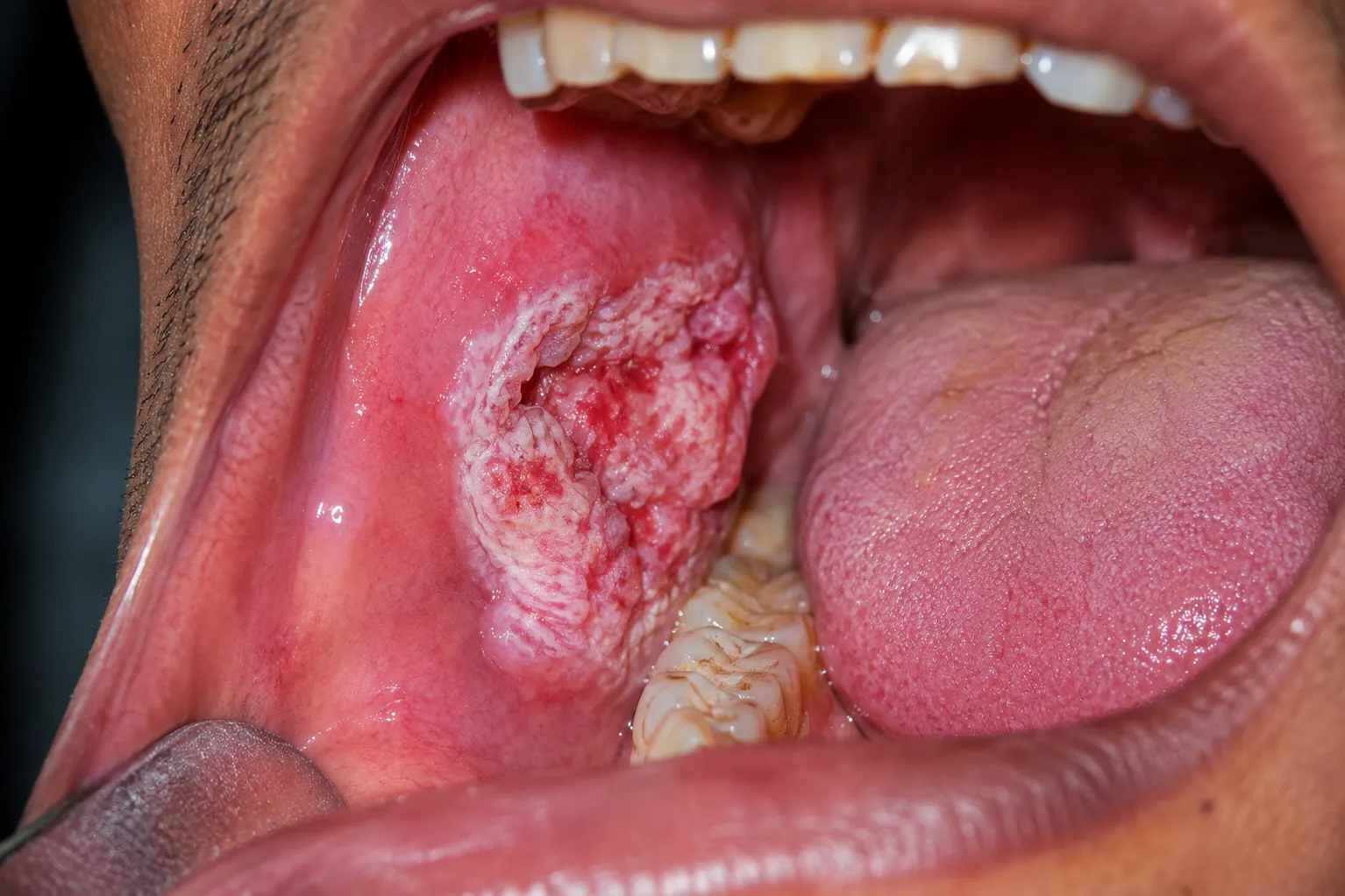
A persistent mouth ulcer, unexplained growth, unusual bleeding, difficulty swallowing, or a suspicious patch in the mouth may require medical assessment, particularly when symptoms do not resolve. Once oral cancer is confirmed through appropriate investigations, an Oral Cancer Surgeon evaluates the extent of disease and determines whether surgery should form part of treatment.
Oral cancer can affect areas such as the tongue, inner cheek, gums, floor of the mouth, and other structures within the oral cavity. Surgical planning varies significantly according to the precise location and extent of the tumour.
Diagnosis Comes Before Surgical Planning
A biopsy is generally needed to establish a cancer diagnosis. Imaging may then be used to assess the primary tumour, lymph nodes, and other areas when clinically indicated.
The surgeon considers several factors:
- Exact tumour location
- Tumour size and depth
- Nearby structures involved
- Lymph node findings
- Disease stage
- Previous treatment
- General health and fitness for surgery
These details help determine the extent of an operation.
Surgery Can Involve More Than Tumour Removal
The aim of cancer surgery is not simply to remove visible abnormal tissue. The procedure is planned according to oncological principles, including appropriate margins around the cancer when feasible.
Depending on where the tumour is located, surgery may affect speech, swallowing, chewing, appearance, and other functions. This makes functional planning particularly important in oral cancer.
Some patients may also require assessment and treatment of lymph nodes in the neck.
Reconstruction Can Be Part of the Plan
When a larger amount of tissue must be removed, reconstruction may be required. Reconstructive techniques aim to restore form and function as effectively as possible after tumour removal.
The appropriate reconstruction depends on the size and location of the surgical defect and the patient's overall condition.
Rehabilitation may subsequently involve specialists in swallowing, speech, nutrition, dental care, and physiotherapy.
Why Early Assessment Is Important
Mumbai and Maharashtra carry a substantial healthcare burden related to oral cancers, making awareness of persistent oral symptoms especially relevant.
A mouth ulcer does not automatically indicate cancer. However, an unexplained lesion that persists should not simply be ignored, particularly when accompanied by a lump, swallowing difficulty, altered speech, unexplained bleeding, or neck swelling.
Timely evaluation allows the cause to be identified and, when cancer is diagnosed, helps the oncology team establish an appropriate treatment plan.
Questions Patients Can Discuss
Useful questions for an oral cancer consultation include:
- Where exactly is the tumour located?
- Has it involved nearby structures?
- Are neck lymph nodes affected?
- What tissue would surgery remove?
- Will reconstruction be necessary?
- How could treatment affect speech and swallowing?
- Is radiation or systemic therapy expected?
Patients consulting Cercano Surgical Oncology in Mumbai can use the surgical evaluation to understand both cancer control considerations and the potential functional effects of treatment.
An oral cancer operation requires careful planning because treatment involves more than removing a tumour. The objective is to develop an oncologically appropriate approach while considering swallowing, speech, nutrition, appearance, rehabilitation, and the patient's quality of daily life.
Keywords