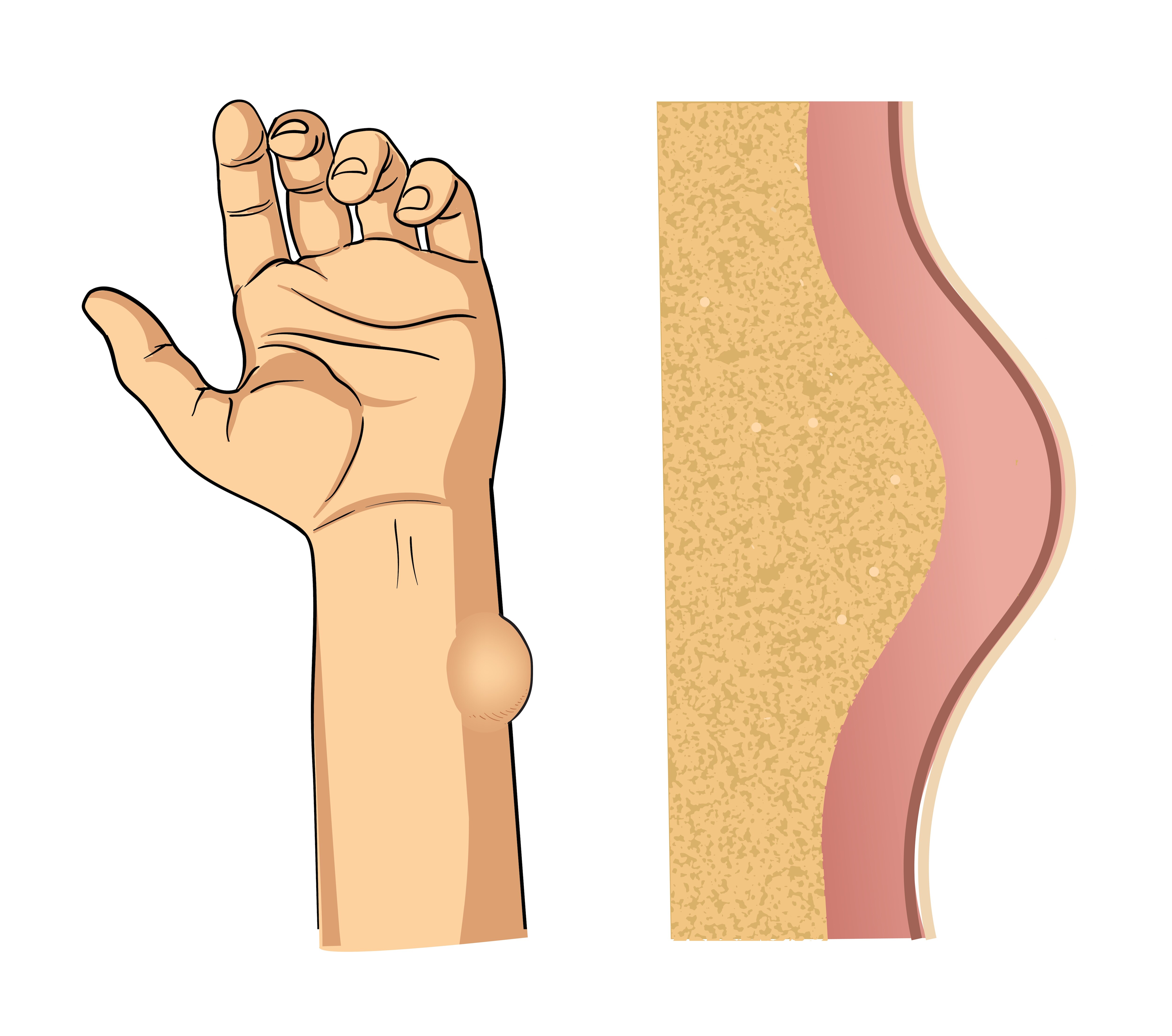
An enlarging or deep soft-tissue lump needs the right imaging and biopsy plan before anyone removes it. By the end, you will know which warning signs require referral, how specialists confirm and stage sarcoma, which treatments may be combined, and how to judge a care team in Mumbai before the first definitive operation.
Key takeaways
- Request sarcoma assessment for enlarging, deep, fixed, painful, or recurrent lumps.
- Complete imaging and planned biopsy before choosing surgery or other treatment.
- Compare multidisciplinary expertise, pathology review, imaging, and follow-up care in Mumbai.
- Seek a second opinion when diagnosis, margins, staging, or treatment plans conflict.
When does a soft-tissue lump need sarcoma assessment?
A lump needs sarcoma assessment rather than routine removal if it is enlarging, larger than 5 cm, deep beneath the fascia, fixed to surrounding tissue, persistently or unexplainedly painful, or has returned after earlier removal. Examination alone cannot show whether a lesion is benign or malignant.
Do not arrange excision of a suspicious mass as if it were an ordinary lipoma. An enlarging or deep mass needs imaging, usually MRI for a limb or trunk and CT when the site or clinical situation calls for it, before a planned core-needle biopsy or surgery.
The biopsy route must allow removal with the tumour; a misplaced tract can contaminate additional tissue compartments.
Choosing soft tissue tumor treatment in mumbai starts with review before the first biopsy or definitive operation, not only after a cancer diagnosis. Sarcomas differ from carcinomas, and the first operation can determine later margin control, reconstruction and limb function.
| Feature | Routine lipoma removal | Sarcoma assessment |
|---|---|---|
| Examination | Supports a clinical impression | Cannot confirm benign or malignant disease |
| Next step | Excision may be arranged directly | Image first, then plan the biopsy route |
| Surgical concern | Focuses on removing the lump | Protects margins, reconstruction options and function |
What should happen before biopsy and staging?
Before biopsy, obtain local imaging that maps the mass and its relationship to muscles, nerves, vessels and bone. MRI is usually the key test for a limb, pelvis or trunk mass. CT is useful for selected anatomical sites, abdominal or retroperitoneal disease, or when MRI is unsuitable.
1. Plan the biopsy route with the surgeon who may perform the definitive operation. The tract may need removal with the tumour; an awkward route can contaminate additional tissue compartments and force wider surgery.
2. Use image-guided core-needle biopsy when practical. It provides tissue for a sarcoma-experienced pathologist to identify the histologic subtype and tumour grade, which strongly influence treatment.
3. Request immunohistochemistry and, when indicated, molecular testing such as gene-fusion testing. Some sarcoma subtypes are defined by characteristic genetic alterations, so a microscope appearance alone may not settle the diagnosis.
4. Stage the disease with local MRI or CT and chest imaging. Chest CT is usually important when lung spread is a concern; add scans guided by the subtype, symptoms or suspected spread to another organ.
PET-CT does not automatically replace local MRI or CT, chest imaging or expert pathology. Its usefulness varies by subtype and clinical question, while false reassurance or nonspecific uptake can mislead planning. A soft tissue sarcoma specialist in Mumbai should explain how each test changes the biopsy, operation or treatment sequence before tissue is taken.
Which treatments are chosen for different sarcomas and sites?
Two masses that look alike on a scan can need different treatment because sarcoma is a group of diseases, not one cancer. The plan depends on histologic subtype, grade, size, depth, site, molecular findings, spread, margin status and response to preoperative treatment.
| Site or situation | Usual approach | Key planning issue |
|---|---|---|
| Localized limb or trunk tumour | Wide excision, usually limb-sparing | Preserve function while securing clear margins |
| Abdominal-wall tumour | Wide excision with mesh or tissue reconstruction when needed | Repair may involve muscle, tendon, nerve or blood vessels |
| Tumour near a major organ | En-bloc resection with the involved structure when necessary | Balance cancer control against organ function |
| Retroperitoneal sarcoma | Specialist en-bloc removal, sometimes including adjacent organs | Subtype determines the value of radiotherapy or systemic treatment |
Radiotherapy is considered before or after surgery when recurrence risk is high because of size, grade, depth, site or margins. Preoperative treatment uses a smaller field but can increase wound problems; postoperative treatment creates different functional and late-effect risks. Neither is automatic.
Chemotherapy is not routine for every localized sarcoma. Doxorubicin with or without ifosfamide is reserved for selected high-risk or advanced disease after weighing cardiac, blood-count, kidney and other toxicities.
Targeted treatment or immunotherapy suits selected subtypes or settings. Carefully chosen small, benign-appearing lesions may undergo active surveillance, while limited metastases may receive surgery or local treatment. For soft tissue sarcoma treatment options in Mumbai, ask whether the plan matches the subtype and site rather than the scan alone.
How can you tell whether specialist care is worth choosing in Mumbai?
Specialist care is worth prioritising when one team coordinates imaging, planned biopsy, expert pathology, staging, surgery, radiotherapy, reconstruction and systemic treatment. That coordination matters more than a title, especially before the first definitive operation.
Ask a soft tissue sarcoma specialist in Mumbai:
- Will my case be reviewed in a multidisciplinary sarcoma meeting?
- Who will plan the biopsy tract, and will it be removed with the tumour?
- Will my slides or tissue blocks receive sarcoma-focused pathology review?
- What margin is intended, and what function should I expect afterward?
- What reconstruction is available if muscle, tendon, nerve or blood-vessel repair is needed?
- Could preoperative treatment improve the operation?
- Is radiotherapy available if my local recurrence risk is high?
| Care approach | What it provides | What can go wrong |
|---|---|---|
| Coordinated sarcoma pathway | Linked decisions across diagnosis, surgery, radiotherapy and reconstruction | Fewer gaps between treatments |
| Isolated operation | A procedure without the full treatment sequence | An unplanned margin, biopsy tract or reconstruction problem |
Specialist assessment does not automatically mean amputation or the most aggressive treatment. For a localized limb or trunk tumour, the aim is complete removal with acceptable function; limb-sparing surgery is pursued when safe.
Cercano Surgical Oncology can provide cancer-focused surgical assessment and treatment planning, but ask how the process works rather than relying on the label. For soft tissue sarcoma for specialist care in mumbai, the quality of review, pathology and coordination is the decision.
Related services
Soft tissue sarcomas Soft Tissue Sarcoma Treatment Specialized Care for Soft Tissue Sarcomas Soft tissue sarcomas are a rare group of cancers that develop in the body's... View service → |
Retroperitoneal sarcomas Comprehensive Care for Retroperitoneal Sarcomas Retroperitoneal sarcomas are rare cancers that develop in the retroperitoneum, the deep area of the... View service → |
When should you seek a second opinion and what happens after treatment?
A second opinion is sensible before the first definitive operation, after an unexpected sarcoma diagnosis, or when the proposed surgery could cause major functional loss. For sarcoma cancer care in mumbai, bring the MRI and CT images, pathology report, biopsy slides or tissue blocks, and proposed operative plan.
An unplanned removal of a presumed benign lump, sometimes called a whoops excision, can leave a contaminated margin or biopsy tract. That problem may require re-excision, radiotherapy, or reconstruction, with more tissue removed than planned.
- Follow-up is tailored to the tumour’s grade, site, size, and subtype, even after treatment appears complete.
- Appointments commonly combine examination with chest imaging, because sarcoma can recur in the lungs without early symptoms.
- Site-appropriate imaging, such as MRI for a limb or pelvis, checks the original treatment area rather than relying on symptoms alone.
- Ask which findings will trigger another scan, biopsy, or treatment discussion, and keep each report for comparison.
Surveillance remains part of treatment because local or distant recurrence can occur after apparently complete removal. The greatest value from specialist care comes when the diagnosis is uncertain, surgery is complex, or treatment requires coordination across surgery, pathology, radiotherapy, reconstruction, and systemic therapy.
Frequently asked questions
When does a soft-tissue lump need sarcoma assessment?
Seek assessment when a lump is enlarging, larger than 5 cm, deep beneath the fascia, fixed to surrounding tissue, persistently or unexplainedly painful, or recurrent after removal.
What should happen before a soft-tissue sarcoma biopsy?
A specialist should examine the lump and plan imaging and the biopsy route before tissue is removed. An unplanned excision can complicate later definitive surgery.
Which treatments are used for soft-tissue sarcoma?
Treatment depends on the sarcoma subtype, size, grade, stage, and location. Options can include surgery, radiotherapy, chemotherapy, targeted treatment, or combinations planned by a specialist team.
How can you judge specialist sarcoma care in Mumbai?
Ask about sarcoma-specific experience, pathology review, imaging review, multidisciplinary planning, surgical options, margin assessment, and follow-up after treatment.
When should you seek a second opinion for sarcoma?
Seek one when the diagnosis is uncertain, the pathology and scans disagree, surgery was proposed without planned imaging or biopsy, or treatment options involve major functional trade-offs.
Keywords