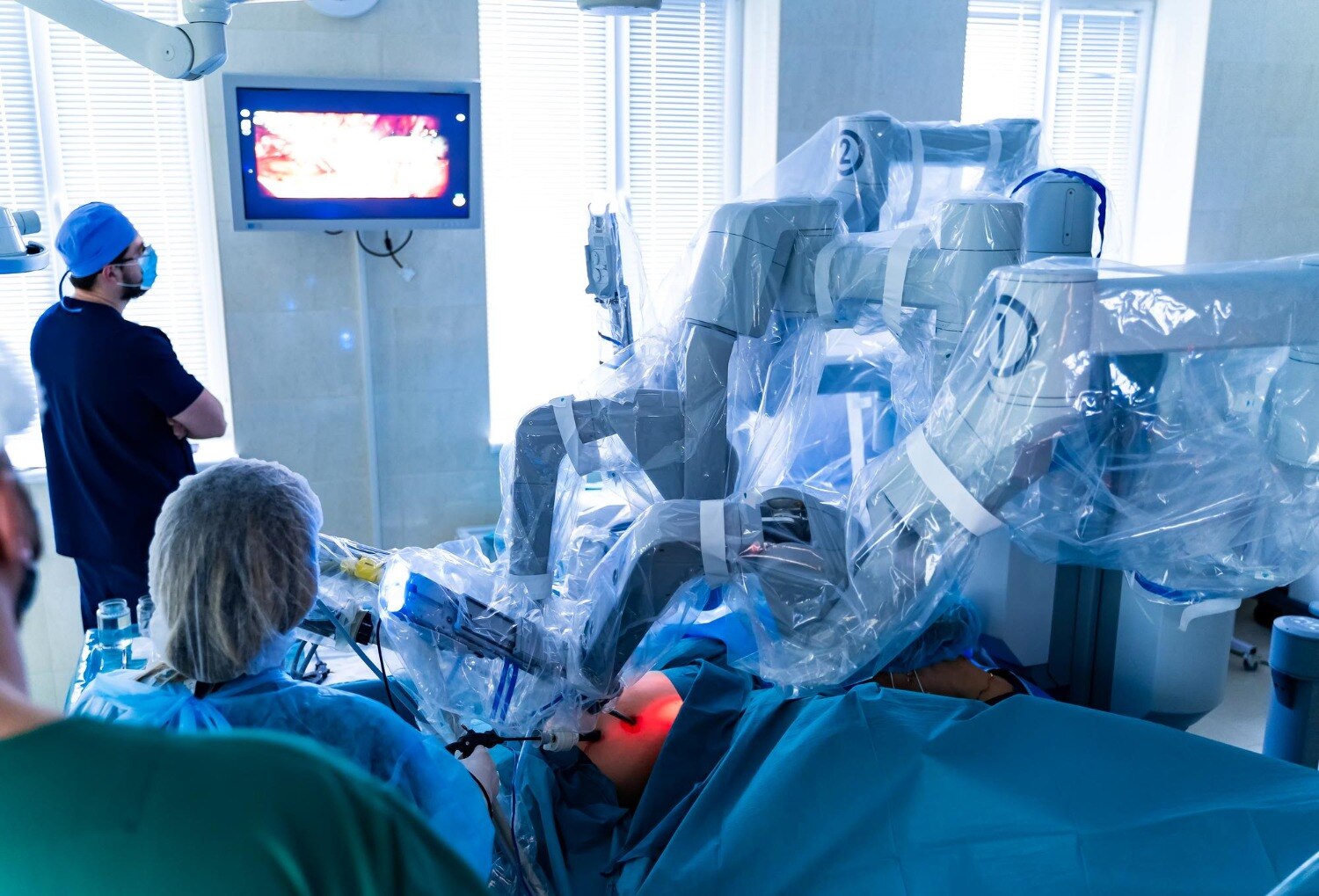
Heavy rain does not make a cancer operation safer or riskier by itself, but it can complicate travel, admission, wound checks and follow-up. By comparing robotic, laparoscopic and open approaches and asking specific questions about hospital readiness, you can judge whether minimally invasive surgery fits your cancer and your monsoon logistics.
Key takeaways
- Rain alone does not make robotic cancer surgery unsafe.
- Smaller incisions can simplify wound care during humid, wet weather.
- Confirm suitability using tumour site, stage, anatomy and your surgeon’s assessment.
- Plan transport, admission documents and follow-up around Mumbai flood and rain alerts.
Does Mumbai monsoon weather change whether robotic cancer surgery is safe?
Rain does not make a cancer operation unsafe by itself. Tumour biology and surgical indications do not change with the season, so robotic cancer surgery monsoon in Mumbai should be timed around cancer need, not humidity or rainfall. If an emergency operation is needed, surgery proceeds when delaying it creates greater danger.
For elective surgery, review these monsoon-readiness points with the hospital:
- Road access, ambulance or taxi reliability, and a backup arrival route
- Admission timing, including whether you can reach the hospital before severe flooding
- Postoperative transport and arrangements for review if roads close
- Generator capacity and protected power for the operating room
- Operating-room ventilation and continuity of sterilization
- Blood-bank access and intensive-care bed capacity
These are hospital-readiness issues, not benefits created by the robot. A robotic system does not compensate for a flooded route, a power interruption, unavailable blood or delayed intensive care. Humidity also does not prove that robotic oncology surgery rainy season is safer or prevents infection.
Severe flooding justifies a logistics review: the team may alter admission timing, confirm transport or postpone an elective case if safe care cannot be maintained. It does not automatically justify postponement when the hospital remains operational and delay creates greater cancer or medical risk.
Ask the surgeon to weigh access, emergency backup and the operation’s urgency alongside the proposed technique.
What recovery advantages can smaller incisions offer during the rainy season?
Several small port incisions can make recovery easier during Mumbai’s monsoon than one large abdominal incision, but only when the operation is suitable for minimally invasive access.
The practical question behind minimally invasive surgery monsoon in mumbai and robotic cancer surgery for benefits during monsoon in mumbai is logistical, not weather-specific: smaller wounds can reduce dressing demands and support earlier movement.
| Option | Wound and daily-care burden | Likely practical effect |
|---|---|---|
| Robotic or laparoscopic | Several small port wounds, less pain from the abdominal wall, easier monitoring, and fewer large dressings | Walking may begin sooner, and returning for dressing changes through waterlogged streets may be simpler |
| Open surgery | One larger incision, greater wound-care demands and pain with coughing, standing or travelling | Movement and normal activities may take longer, with more attention to wound protection |
A shorter hospital stay is possible, not guaranteed. Discharge timing depends on the operation, bowel or bladder function, pain control, eating, walking and the absence of complications. Earlier mobility can reduce the burden of arranging transport during flooding, but you still need follow-up and urgent access to care.
Smaller ports do not remove risk. Port-site infection, bleeding, pneumonia, venous thromboembolism, urinary infection, anastomotic leak and conversion to open surgery remain possible. Rainy humidity and flooding do not prove that robotic surgery prevents infection; clean wound care and prompt review matter more.
Which cancer operations are suitable for a robotic approach?
The monsoon recovery benefit matters only when minimally invasive access can still remove the cancer completely. Suitability depends on the cancer site and stage, tumour size and location, safe margins, planned lymph-node dissection, previous operations, adhesions, adjacent-organ invasion and any reconstruction required.
Evidence is procedure-specific: prostate, kidney, gynaecologic, colorectal, gastric and thoracic operations cannot share one promised outcome.
Open surgery may be safer or more effective when the tumour is bulky or locally advanced, adhesions are extensive, bleeding is unstable, safe margins are doubtful, or an en-bloc resection of adjacent organs is required. Conversion to open surgery is a safety decision, not a failure.
- Peritoneal surface malignancy often needs open cytoreductive surgery, with possible hyperthermic intraperitoneal chemotherapy (HIPEC); robotic treatment suits only carefully selected, lower-volume disease in experienced centres.
- Before choosing an approach, request staging scans, imaging review, biopsy or endoscopy review, anaesthesia assessment and multidisciplinary planning.
- Ask a robotic cancer surgeon in Mumbai about the exact operation, intended margins and nodes, relevant experience and personal conversion rate.
| Option | What it means | When it applies |
|---|---|---|
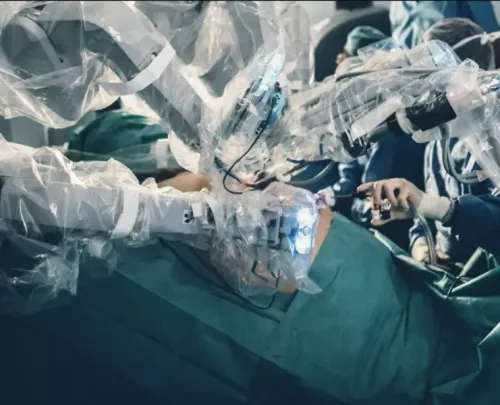
| Robotic | Small ports, magnified view and articulated instruments | Selected anatomy where cancer clearance is achievable |
| Laparoscopic | Small ports without robotic articulation | Suitable operations with feasible access and dissection |
| Open | Larger incision and direct access | Bulky disease, adhesions, invasion, reconstruction or extensive resection |
How should you plan admission and follow-up when heavy rain is forecast?
Confirm the admission time by phone the day before, and ask for a realistic arrival window rather than assuming the scheduled operation time. Arrange a backup route, driver or nearby overnight stay if flooding could close your usual road.
- Ask whether the hospital has generator capacity for the operating room, ICU, lifts and essential monitoring equipment, plus protected operating-room ventilation and uninterrupted sterilization if power or water services fail.
- Confirm blood-bank access, available ICU beds and the hospital’s plan for maintaining emergency and operating-room services during severe weather.
- Save the admission desk and surgical coordinator’s numbers. Ask exactly whom to call if roads delay you, and do not travel through unsafe floodwater without medical guidance.
- Before discharge, get written instructions for drain emptying, catheter care, incision cleaning, dressing changes, bathing and warning signs. Ask who will review photographs or symptoms remotely.
- Agree on the follow-up schedule, including which visits require examination and which could use a secure video or telephone consultation if transport is disrupted. Keep prescriptions, discharge papers and emergency contacts together.
A robotic cancer surgeon in Mumbai should assess transport risk alongside tumour stage, surgical need and emergency access. The robot cannot compensate for a delayed ambulance, an inaccessible hospital or postponed treatment of a complication.
For robotic cancer surgery monsoon in Mumbai, ask these questions during planning rather than on admission day. Cercano Surgical Oncology in Girgaon can help patients work through cancer-focused surgical assessment and an operation-and-follow-up plan that accounts for both medical and monsoon logistics.
Related service
Robotic Cancer Surgery Advanced Precision in Cancer Treatment Robotic Cancer Surgery is a state-of-the-art minimally invasive surgical technique that enables surgeons to... View service → |
What should you compare before choosing robotic surgery in Mumbai?
A robot is not an automatic upgrade. For robotic cancer surgery benefits during monsoon in Mumbai, compare cancer clearance, safety, access and total cost—not the machine alone. Ask for:
- The exact operation, cancer stage, intended margins and lymph-node dissection
- The surgeon’s experience with that operation and personal conversion-to-open rate
- Expected operating time, hospital stay and the plan for bleeding, infection, leaks or other complications
| Option | Main comparison | Cost or trade-off |
|---|---|---|
| Robotic | Several small ports; precise instruments for selected operations | Can take longer and cost more than laparoscopy |
| Laparoscopic | Small incisions with established minimally invasive access | May have lower equipment costs; conversion remains possible |
| Open | Larger incision and direct access | Often greater wound-care and mobility demands, but may suit extensive disease |
Compare the complete episode, not the advertised procedure fee: surgeon fees, robotic consumables, pathology, possible intensive-care treatment, extra admission days and treatment of complications. A shorter stay does not automatically offset a higher operating-room bill.
The ROLARR trial found no statistically significant overall reduction in conversion to open surgery for rectal cancer with robotic versus laparoscopic surgery.
If you searched “minimally invasive surgery monsoon in Mumbai,” also confirm who will review you when roads flood. Contact your team urgently despite rain for fever, wound redness or drainage, persistent vomiting, breathlessness, calf swelling, inability to pass urine or increasing abdominal pain.
Frequently asked questions
Does Mumbai monsoon weather change whether robotic cancer surgery is safe?
Rain and humidity do not determine cancer surgery safety. Tumour biology, cancer stage, overall health, anaesthesia risk and the need for surgery guide timing. If delaying an urgent operation creates greater danger, weather does not justify postponement.
What recovery advantages can smaller incisions offer during the rainy season?
Robotic surgery uses small abdominal or chest incisions when appropriate. Smaller wounds can reduce dressing area, movement-related discomfort and some wound-care difficulties, but they do not eliminate infection risk or guarantee faster recovery.
Which cancer operations are suitable for a robotic approach?
Suitability depends on the tumour’s location, size, stage, spread, previous operations and your anatomy. Robotic techniques may be considered for selected prostate, kidney, colorectal, stomach, gynaecological and other operations after specialist assessment.
How should you plan admission and follow-up when heavy rain is forecast?
Ask the hospital about arrival timing, parking and rescheduling rules. Arrange extra travel time, carry reports and medicines in waterproof packaging, keep emergency contacts available and confirm how follow-up will occur if roads flood.
What should you compare before choosing robotic surgery in Mumbai?
Compare the surgeon’s experience with your specific cancer operation, the proposed open or laparoscopic alternatives, expected benefits and risks, total hospital and follow-up arrangements, complication management and the hospital’s emergency support.
Keywords